


Welcome back to the Weekend Read, where I share with you the best articles that came across my desk this week. As always, I hope you’ll find something you like. Today is the first day of August and the end of summer is just around the corner.
There’s lots out there to enjoy
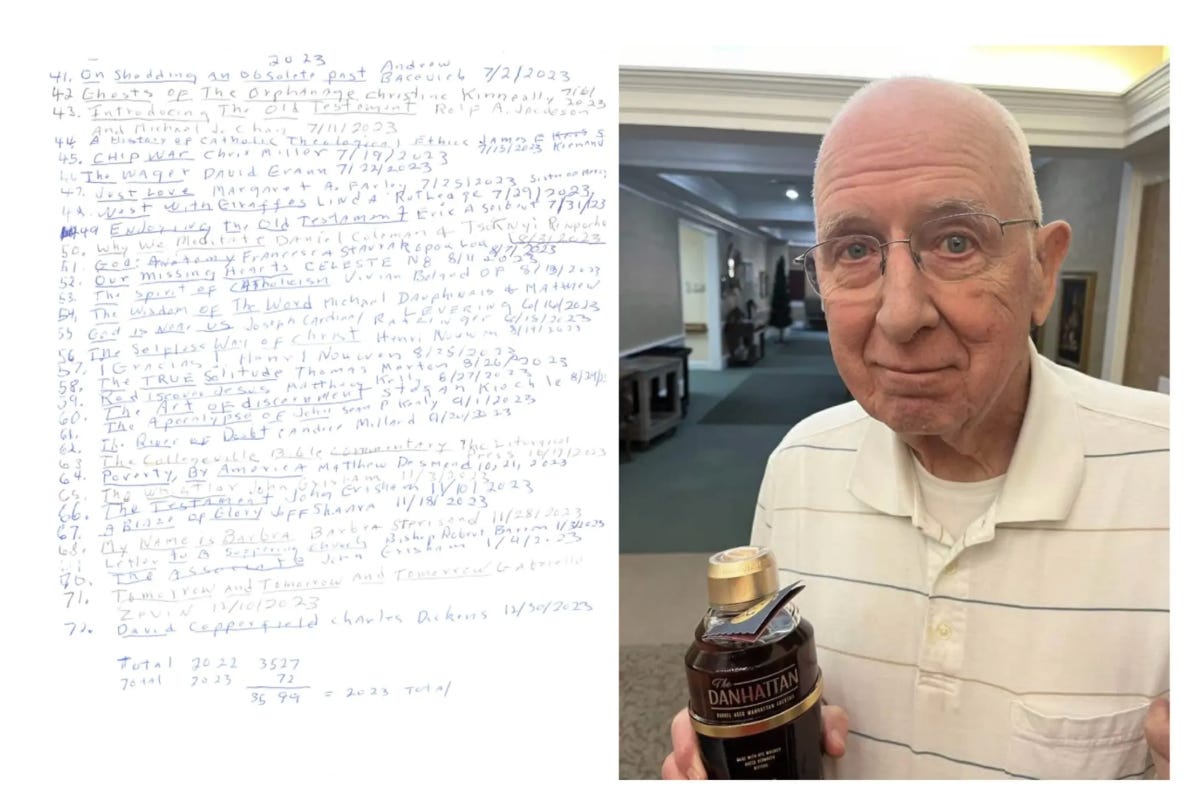
I. “He Read (at Least) 3,599 Books in His Lifetime. Now Anyone Can See His List.” by Aishvarya Kavi (NYT). As a lover of both reading and obsessively logging the media I consume, this list was a hit with me. Dan Pelzer read and recorded an average of 59 books a year for 61 years until he passed away at age 92. He also loved drinking Manhattans, so much so that the guests at his funeral were served “Danhattans.” What a life well lived. I’m taking notes.

II. “The Most Generous Man in New York” by James D. Walsh (NYMag). This is a tragic story that’s hard not to rubberneck at. For someone to be so talented but so broken is a classic personality juxtaposition, but to see it play out across so much attempted generosity instead of just the typical stock-your-closet-with-designers approach was new for me. Don’t be shocked if Ryan Murphy turns this into a miniseries.
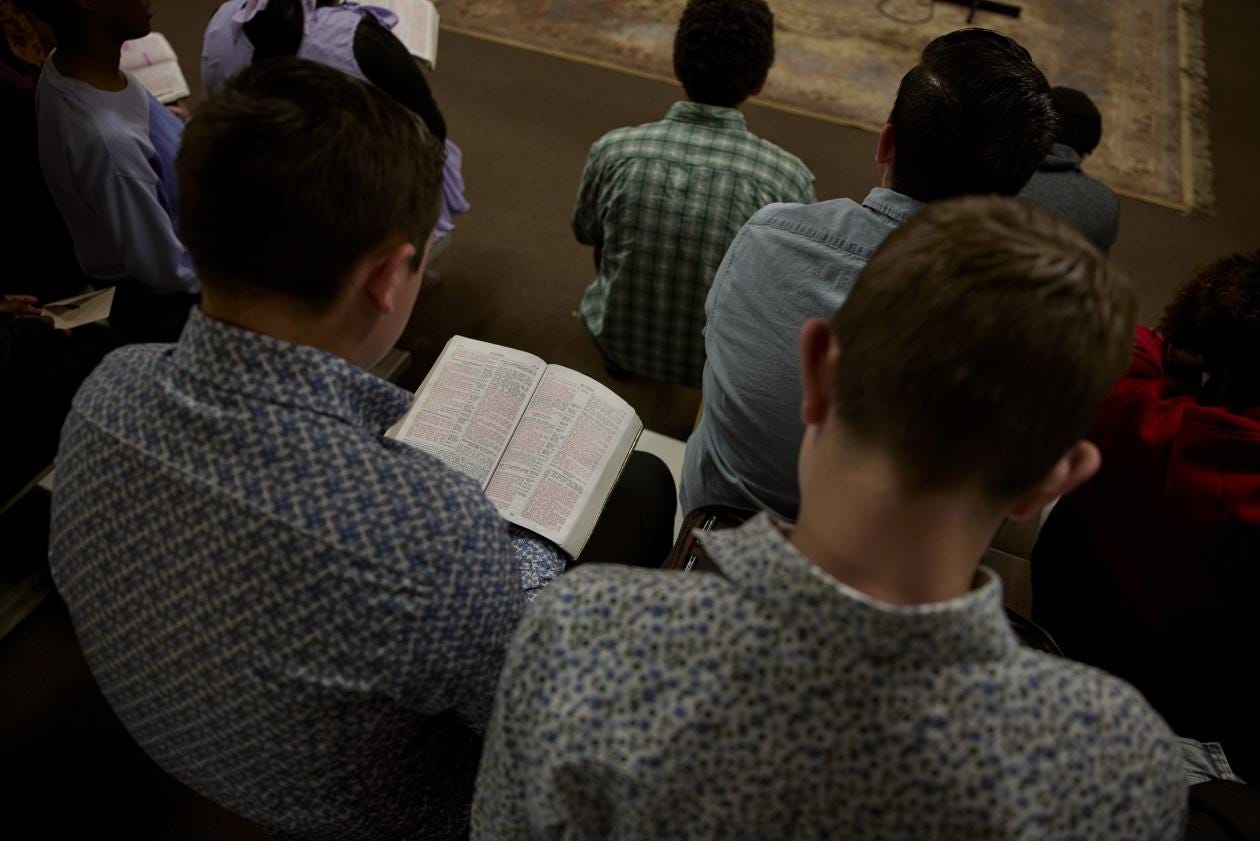
III. “A Church’s Campaign to Teach Lost Boys How to Be Men” by Rachel Wolfe (WSJ). I’m endlessly fascinated by religion and deeply concerned about the status, outcomes, and views of young men in America. I worry that without an aspirational vision for what healthy masculinity looks like, young men are susceptible to bad actors seeking to monopolize their isolation and rage. No one institution or person or political party can solve this problem. Rather, we need a constellation of supports for young men across the entire breadth of our culture. This article is about one—relatively more conservative—star within that constellation.

IV. “IT IS OBSCENE: A TRUE REFLECTION IN THREE PARTS” by Chimamanda Ngozi Adichie (personal website). The author was criticized for her comments on trans people. The author wants you to know she fully supports the rights of trans people. Trans politics are a bit of a third rail topic these days with a lot of bad faith arguments floating around, but her conclusions about social media culture, performative politics, and the “assumption of good faith” are deeply compelling. I beg you, whatever your politics, at least read and reflect on Part Three.

V. “The Lottery” by Shirley Jackson (New Yorker). Okay, this is an oldie but a goodie. It was already a classic when I first heard it at summer camp many moons ago, but I only recently learned how controversial people found the story when it was published. Jackson received reams of hate mail, including from her own mother, who wrote “Dad and I did not care at all for your story in The New Yorker…it does seem, dear, that this gloomy kind of story is what all you young people think about these days. Why don't you write something to cheer people up?” Apparently, the kids have never been alright.
Sit a minute and have a listen
I’m riddled with character flaws, but perhaps none are so troublesome as my affinity for jam bands. Then again, Goose has been heralded as “the jam band that just might persuade you to love a jam band,” so maybe this will go over better.
“California Magic” by Goose.
Fare thee well
Thanks for tuning in. Enjoy your weekend, and I’ll see you on Tuesday to talk about telling stories that don’t belong to you.