

Welcome back to the Weekend Read, where I share my favorite articles from the week. As always, I hope you’ll find something you like.
Some hybrid strain of flu-COVID-bubonic plague-greyscale has me and half the city down this week, and because the universe works in mysterious ways, we have a set of rather gloomy (but interesting) articles to go along with the mood.
Some of this might interest you
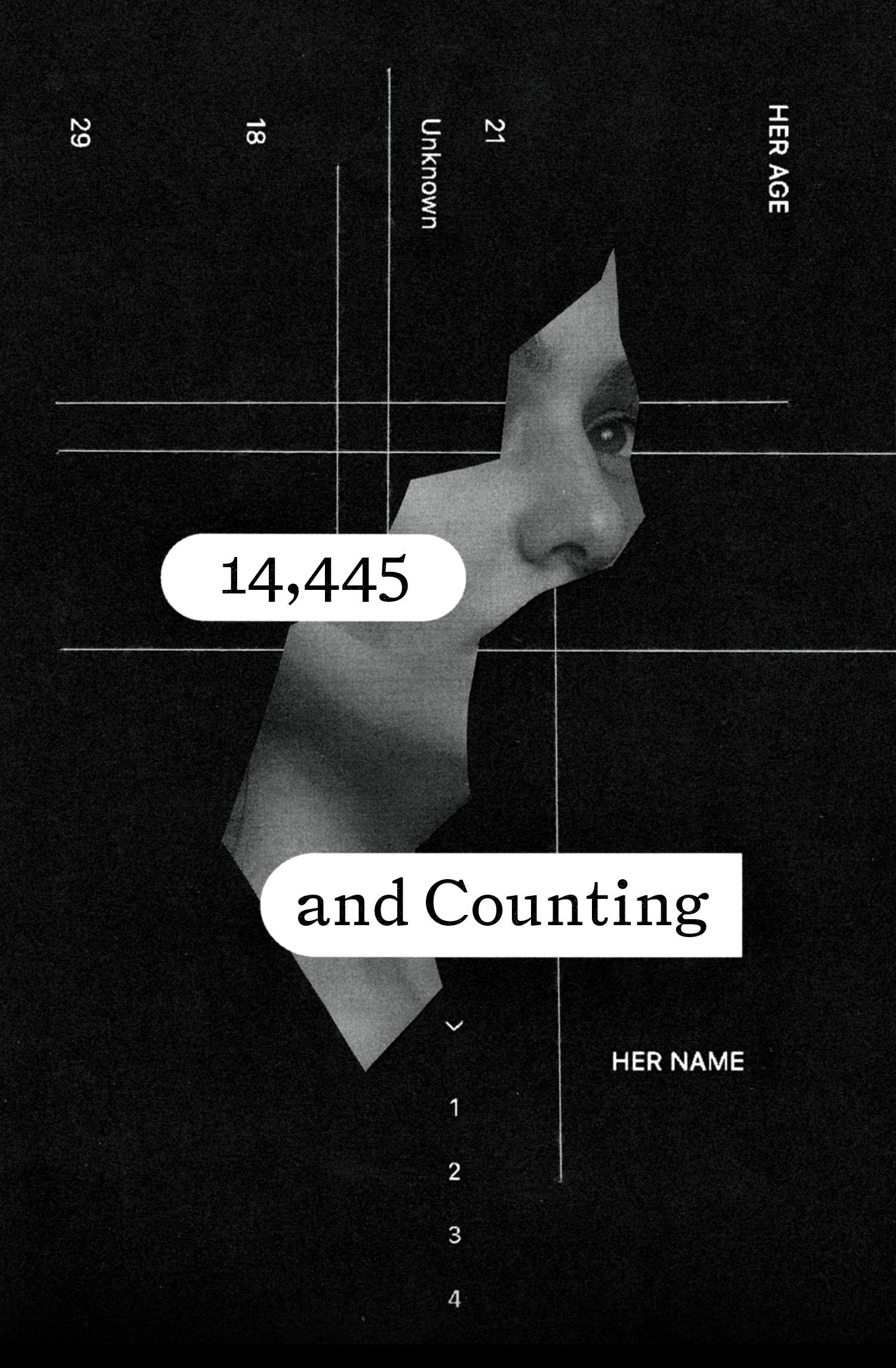
I. “14,445 and Counting: Inside a Texas nurse’s quest to document the life and death of every woman killed by a man in America” by Christa Hillstrom (The Atavist Magazine). Warning: this article contains descriptions of graphic violence of all kinds. It also happens to be an incredible story about one woman’s quest to document the horrors of femicide—women murdered, by men, for being women. I’m not equipped to describe everything this article covers, but I found one aspect in particular—the aversion to automating data collection on these cases for the reason that it is “sacred work” to pay attention to these stories and seek justice for these women—immensely moving. It’s a troubling read, as I’ve said, but an important one.

II. “Kicking Robots: Humanoids and the tech-industry hype machine” by James Vincent (Harper’s Magazine). For all of the attention we’re paying to how AI is shaping our work and home lives, we sometimes miss the impact it’s starting to have in R&D in other fields. Take humanoids, for example. Humanoids are robots with two arms and two legs and I’ll give you a nickel if you can guess where they came up with the name. Humanoid development is having its ChatGPT-moment as AI enables engineers to rapidly increase the pace of learning for these people-shaped droids. The article is a fascinating exploration into why we’d want bots to be human-shaped in the first place, how far off wide-scale deployment might be, and what some of the concerns are.

III. “At State Dept., a Typeface Falls Victim in the War Against Woke” by Michael Crowley and Hamed Aleaziz (The New York Times). If you’ve never worked for a consulting firm, or an investment bank, or certain other high-image, low-value enterprises, you might be shocked to learn how much time, energy, and ink are spilled internally at these institutions—these behemoths of the modern day—over pedantic questions of formatting. The State Department, for example, is fighting over Calibri vs. Times New Roman. For the record, when I was a pretentious seventeen-year-old I started typing all my essays in Garamond, which apparently means I’d fit in well with the posse currently making typeface decisions for the federal government. Oh joy.

IV. “Going Nuclear Without Blowing Up: How Rafael Grossi risks his life tracking the world’s most dangerous material” by Robin Wright (The New Yorker). It seems I can’t go more than a few weeks without sharing one article or another about the threat of nuclear proliferation, but this profile of Rafael Grossi, the Director General of the International Atomic Energy Agency (and potentially the next Secretary General of the United Nations), serves as an excellent illustration of the very real people doing the work of preventing armageddon. That work is full of risk and unintended consequences, as the piece lays out.
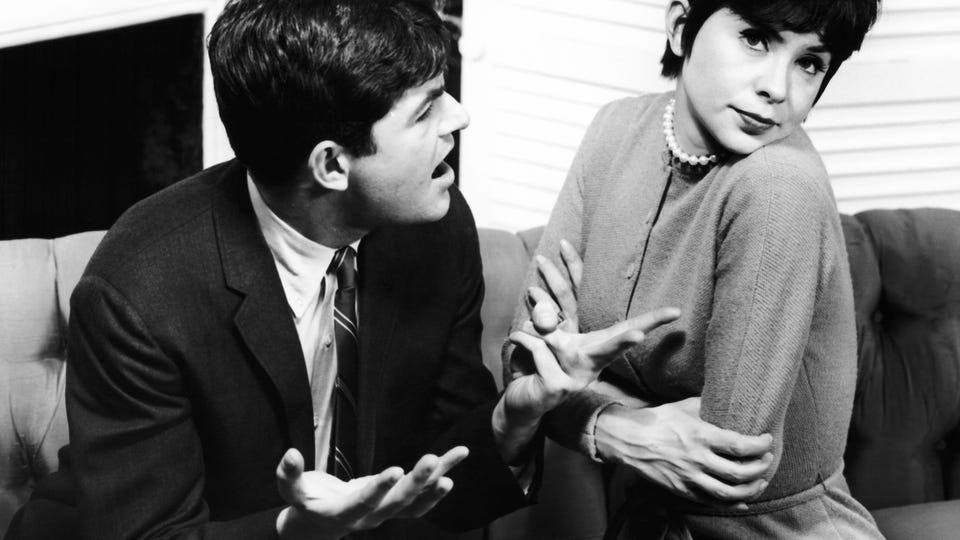
V. “Why Couples Therapists Are Sick of ‘Therapy-Speak’” by Olga Khazan (The Atlantic). One of the great social advances over the past quarter-century has been the normalization of mental health issues and treatments. It’s also resulted in everyone becoming fluent in the language of “therapy-speak” and using it to describe every one of their own behaviors they wish to excuse and every one of another person’s behaviors they wish to villainize. I’m pro-therapy and have received it on and off over the years, but I’m also starting to suspect that we need to rein it in a little, or at least learn how to use it more wisely. A whole book could be written on the epidemic of bad therapy in New York City, but I’m not smart enough to write it.
Sit a minute and have a listen
To round out our series of depressing reads, let me offer you one of the saddest songs I know. Vic Chesnutt lived a hard and harrowing life before passing away in his mid-forties. He took all of that tragedy and pain that he endured and used it as fuel for beautiful, haunting music. This song stands among his best, and might not strike you as so sad, until you pay close attention to the lyrics.
“Flirted With You All My Life” by Vic Chesnutt.
Fare thee well
Thanks for tuning in. As always, whether you love every word or you think I’m the internet’s dumbest boy, I’d love to hear from you directly or in the comments. And, if you’d like to (anonymously) ask a question for me to answer à la advice columns, submit it here. See you next time.