

Welcome back to the Weekend Read, where I share my favorite articles from the week. As always, I hope you’ll find something you like. ICYMI, on Tuesday I talked about how to judge things.
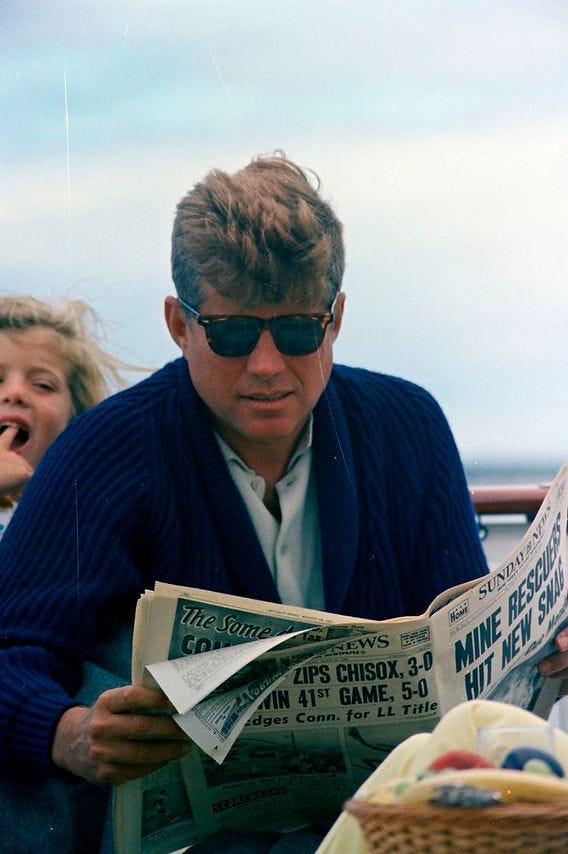
Today is September 12, 2025. It has been a fraught week for the United States in the wake of a high-profile political assassination. On this day, 63 years ago, another victim of political assassination—President John F. Kennedy—delivered his historic “We choose to go to the Moon” speech. Given what happened this week, it resonated with me that JFK was also addressing a college audience when he spoke that day at Rice University. Our highest aspirations as a country are inseparable from the courage and promise that students throughout history have shown.
I’ll leave you with a quote from good ol’ Jack’s speech that I think is as applicable to social media and its use in this moment as the technologies he was referring to back then.
We set sail on this new sea because there is new knowledge to be gained, and new rights to be won, and they must be won and used for the progress of all people. For space science, like nuclear science and all technology, has no conscience of its own. Whether it will become a force for good or ill depends on man, and only if the United States occupies a position of pre-eminence can we help decide whether this new ocean will be a sea of peace or a new terrifying theater of war.
Some of this might interest you

I. “The Age of Diagnosis: How the Over-Medicalization Of Everything Makes Us Sick, Anxious, and Lost” by Derek Thompson (Substack). I’ve been thinking a lot about the social determinants of illness, as well as the “othering” of people affected by illness, ever since I finished John Green’s excellent Everything is Tuberculosis a few weeks ago. Derek’s article from this morning asks us to think about the good and the bad surrounding the massive increase in illness that can be explained by the increase in our tendency to diagnose. This piece challenges thinking on both sides of the political divide, and while I’m not qualified to comment on its conclusions, I love the questions that it asks.
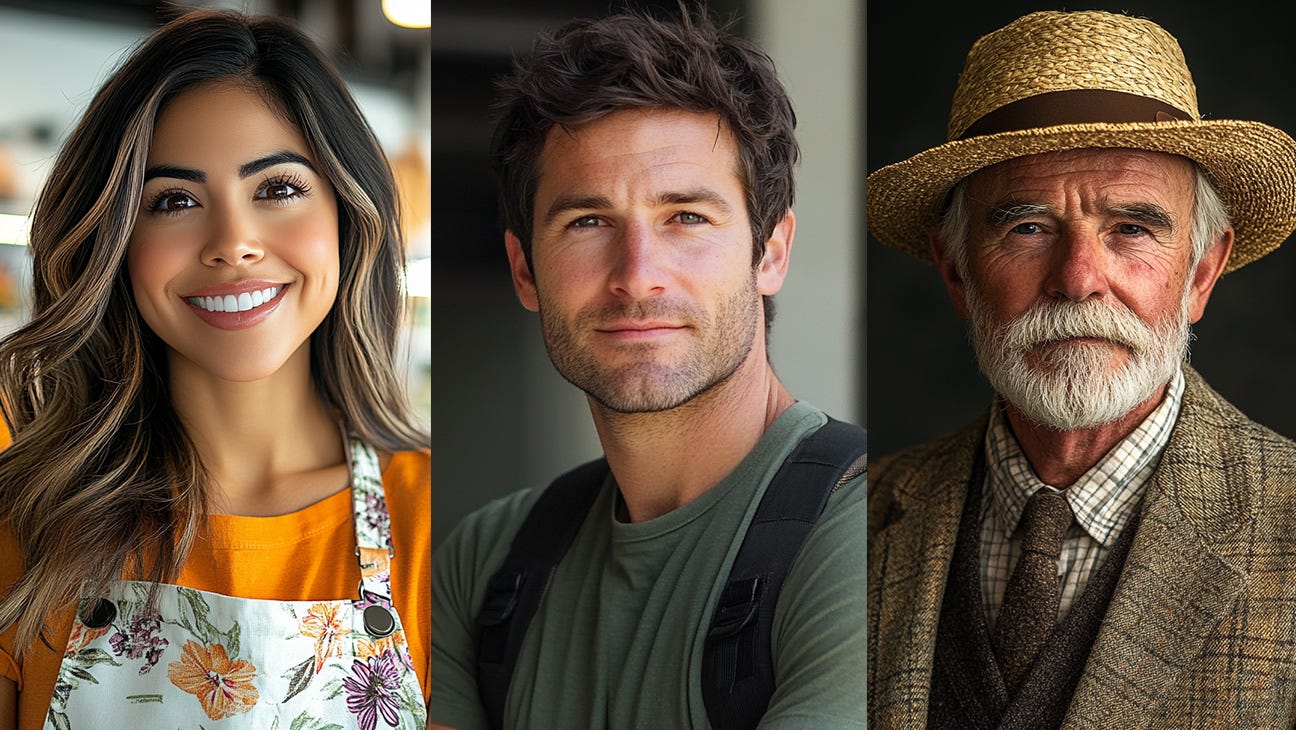
II. “5,000 Podcasts. 3,000 Episodes a Week. $1 Cost Per Episode — Behind an AI Start Up’s Plan” by Caitlin Huston (The Hollywood Reporter). Podcasting is big business, and the former CEO of Wondery—one of the industry’s largest players—has a new company that’s going all in on fully-AI content. The team of 8 employees is able to produce thousands of episodes each week and is openly laying the groundwork to turn AI personalities into social media influencers. I’m really interested in the extent to which the AI-psychosis we see people develop as they fall in love with their personal AIs will translate into the parasocial relationships fans across the internet have with their favorite influencers.
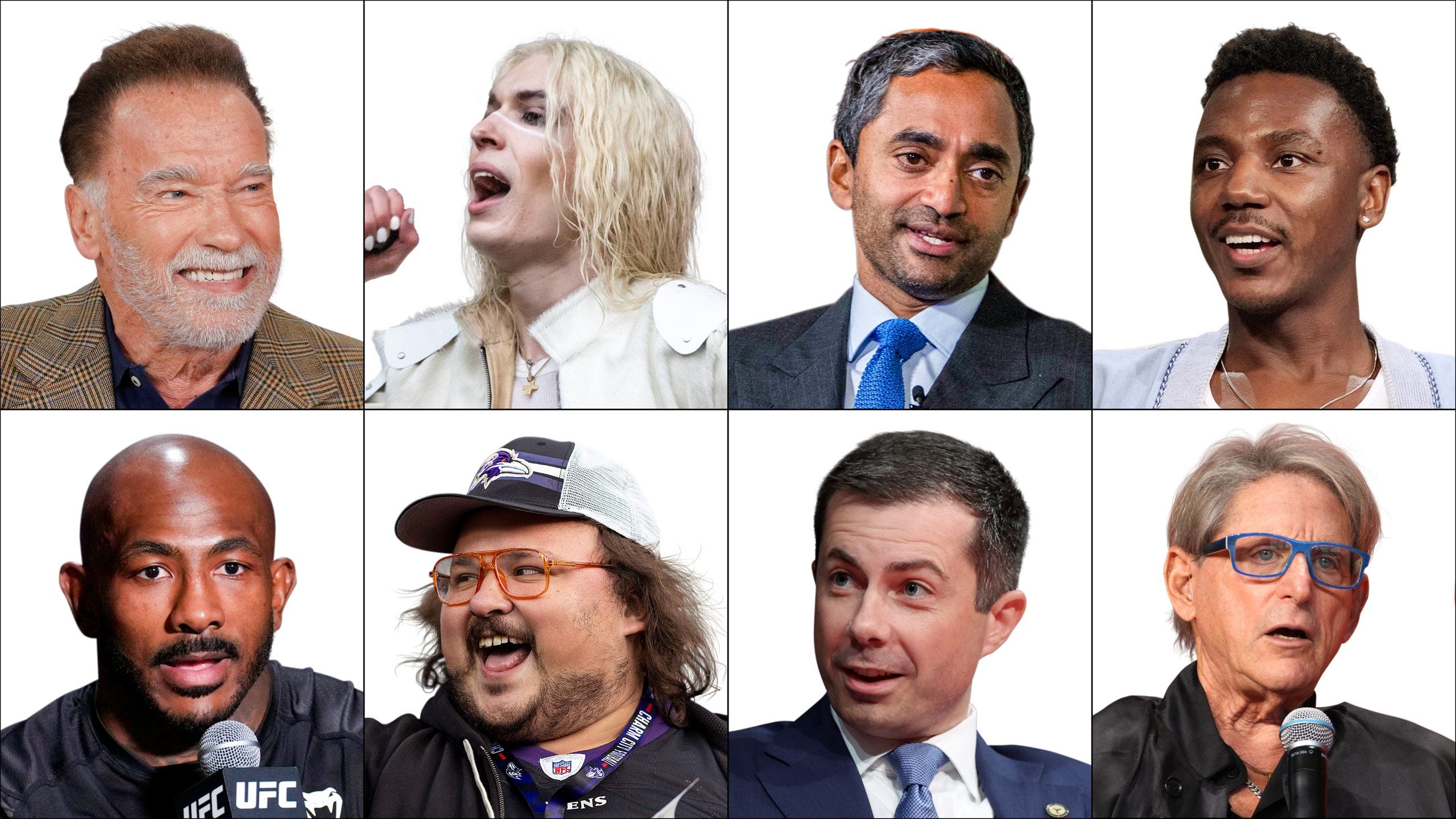
III. “Where Do Men Go From Here? 8 Influential Voices Weigh In” by Various (GQ). The October issue of GQ is starting to come out, with the title “The State of the American Male in 2025.” I’m not alone in worrying that the boys aren’t alright—and I’m specifically concerned that the excellent progress we’ve made over the past several decades identifying and combating toxic expressions of masculinity will be for naught if we can’t also describe an aspirational vision for what healthy masculinity looks like going forward. All of us have a stake in this problem and even—maybe especially—if your inclination is to say something like “the men are trash” or “they’ve gotten enough already,” I encourage you to think about what your vision for positive masculinity in 2025 looks like. Then challenge yourself and your circle to improve it and live up to it as we (hopefully!) walk together towards a better future. These articles are a good starting point.
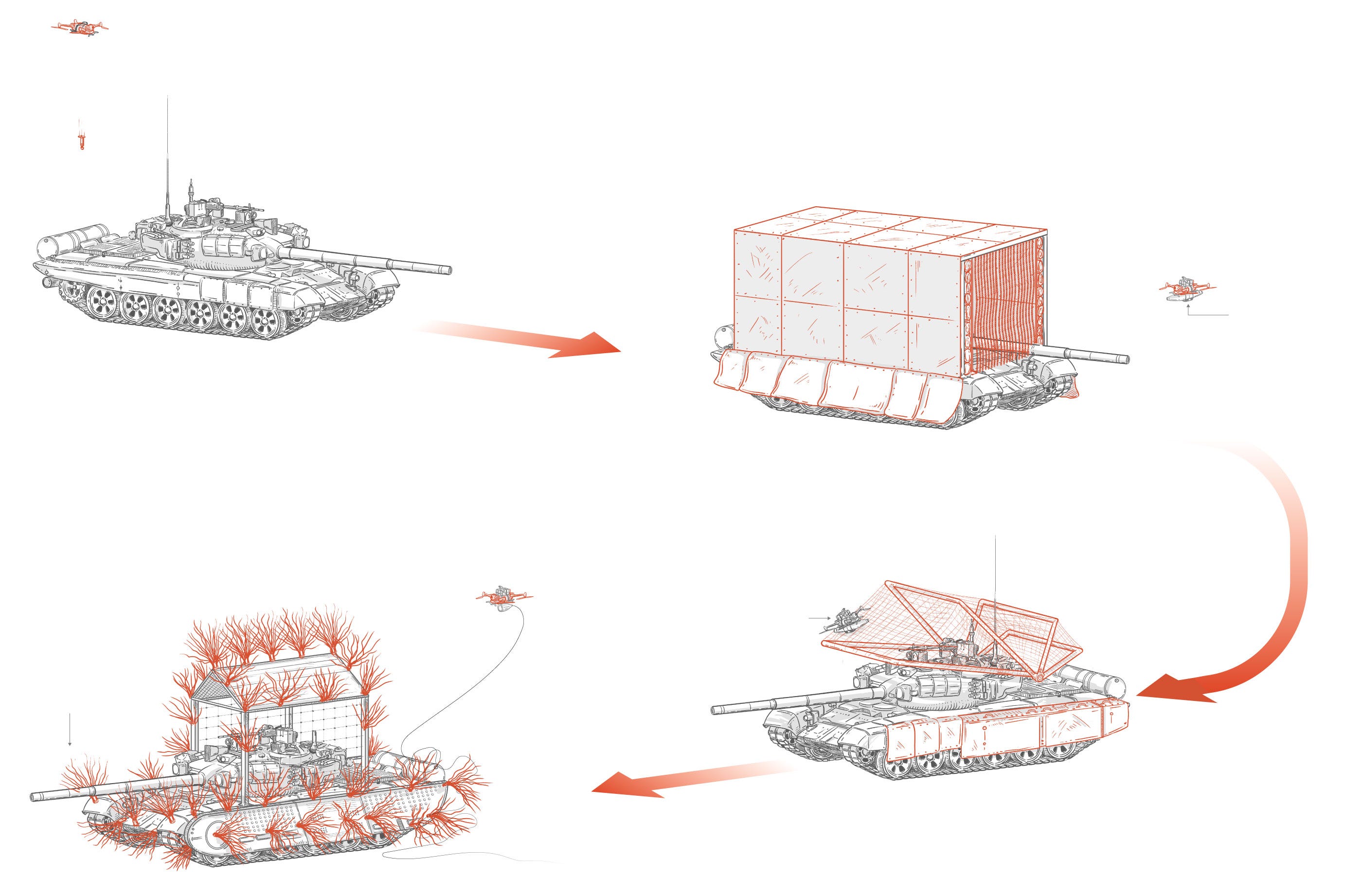
IV. “Tanks Were Just Tanks, Until Drones Made Them Change” by Marco Hernandez and Thomas Gibbons-Neff (The New York Times). War is tragic. It’s also very strange, and this article about the modifications to conventional tanks in the age of drones is fascinating. One, the visuals are incredible. Two, if necessity is the mother of invention, then I think few individuals feel as much necessity as the men and women in the trenches. The world would be a better place if there were no wars to innovate on, but in an era where they exist, I think it’s worth looking at how the fighting of them is evolving.

V. “Is it wrong to be good friends with a bad person?” by Yiran Hua (Psyche). Last week I shared one of my all-time favorite quotes, from Thoreau in Walden:
Alert and healthy natures remember that the sun rose clear. It is never too late to give up our prejudices.
This is a great little essay—and I think an effective call to action towards recognizing that we all contain some measure of brokenness that will be reflected in missteps within our lives. I suspect that getting back on track, or aspiring to reach something better for the self, is often thanks in large part to the accompaniment of others. Look, everyone has to draw their own line, but I think society’s gains often rest on the backs of people who put themselves in uncomfortable situations in order to bring the lost out of the darkness and into the light. If you’re a free-rider of their work, I think it’s worth asking if you can’t do more within your own life to be a part of the solution. The essay considers these points from a bunch of different angles and is absolutely worth a read.
Sit a minute and have a listen
The United States has taken in people from across the world, oftentimes in ways we now regret, but I continue to believe our strength and endurance rests on the bedrock of our diversity. The synthesis of different cultures, attitudes, styles, and beliefs has led to some truly great innovation across all domains—but me, I’m particularly fond of The Blues. Contradicting the genre’s name, here’s a listen that always puts a smile on my face, as we leave behind a difficult week for a hopefully better weekend.
“Leaving Trunk” by Taj Mahal.
Fare thee well
Thanks for tuning in. Enjoy your weekend, and I’ll see you on Tuesday.