


Welcome back to the Weekend Read, where I share my favorite articles from the week. As always, I hope you’ll find something you like. ICYMI, on Tuesday I talked about how to know if you’re on the wrong side of history. I’m experimenting with *shudder* TikTok and made a short video to advertise the essay. It turns out in 2025 a lot of Americans feel really comfortable defending Nazi book burning, which was an unwelcome surprise, so let’s find something positive to celebrate.
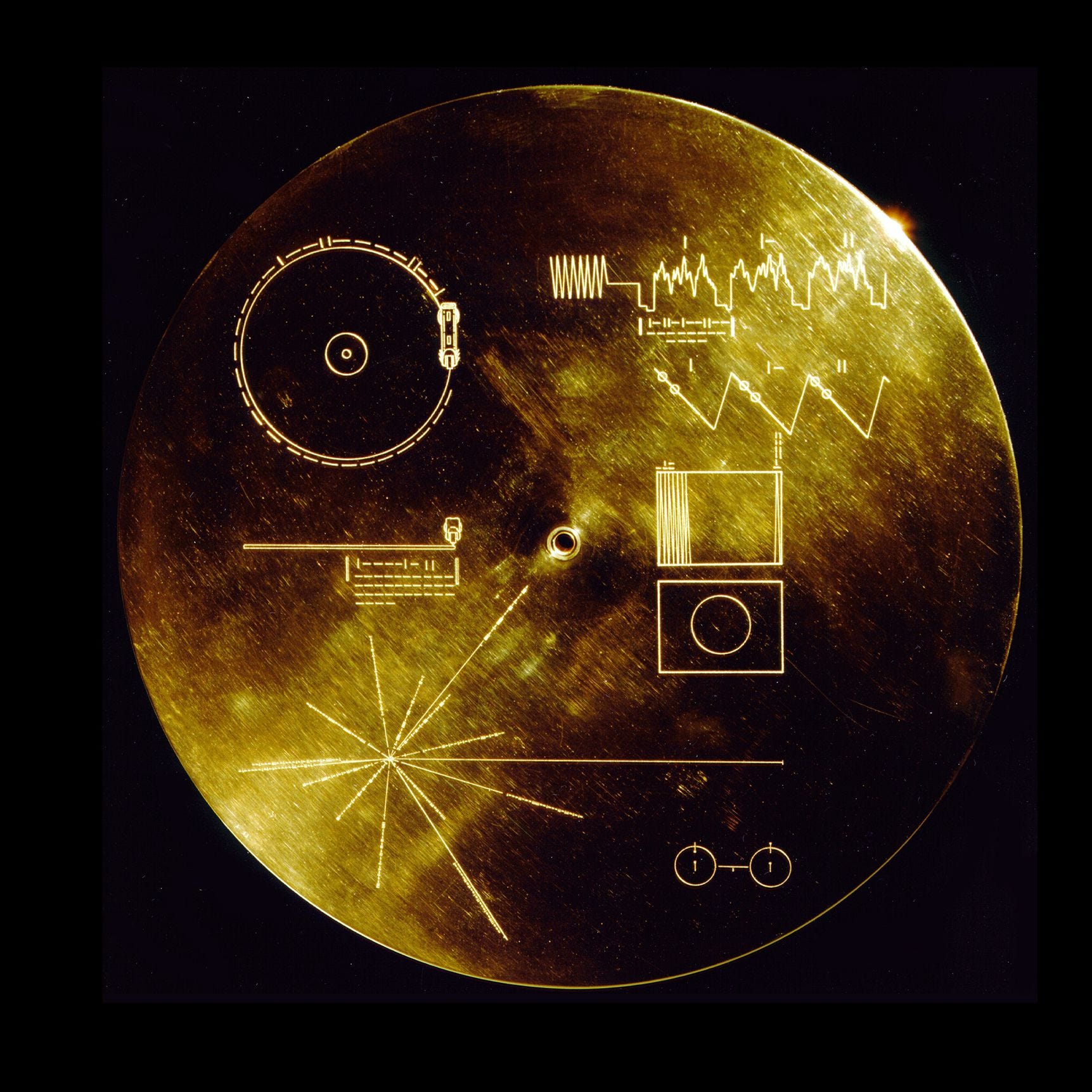
Today is September 5, 2025. Forty-eight years ago today, NASA launched Voyager I. It’s now over 15.5 billion miles away from us, making it the most distant human-made object ever. Voyager was launched with a “Golden Record” containing sounds and images and music from the planet we call home, including greetings recorded in 55 languages. So yes, no matter what gets burned here, somewhere out there in the stars, there’s a voice that’s saying Shalom.
Some of this might interest you
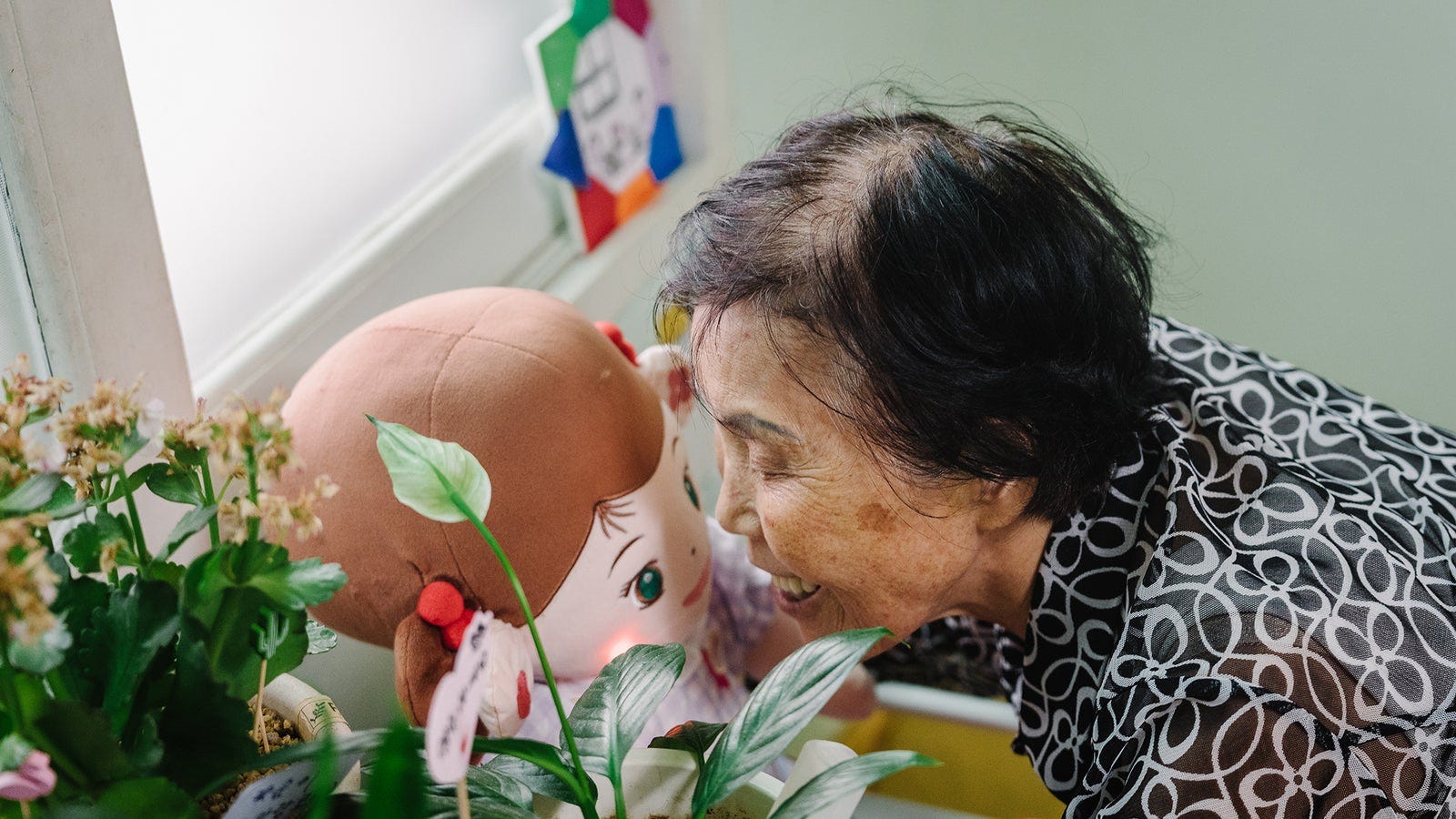
I. “AI robot dolls charm their way into nursing the elderly” by Michelle Kim (Rest of World). Another week, another AI article that leaves me deeply conflicted. Hyodol is a ChatGPT powered robot being deployed in South Korea to provide comfort and to monitor the rapidly aging population. The robots talk to you, you talk back, and if it doesn’t like your answers an alert will go to a home-care aide for a human follow-up. As you can imagine, some strange relationships are formed. Still, I think it’s better we’re giving the first AI robots to seniors in need than, I don’t know, teenage boys. Hyodol is launching in the US in 2026.
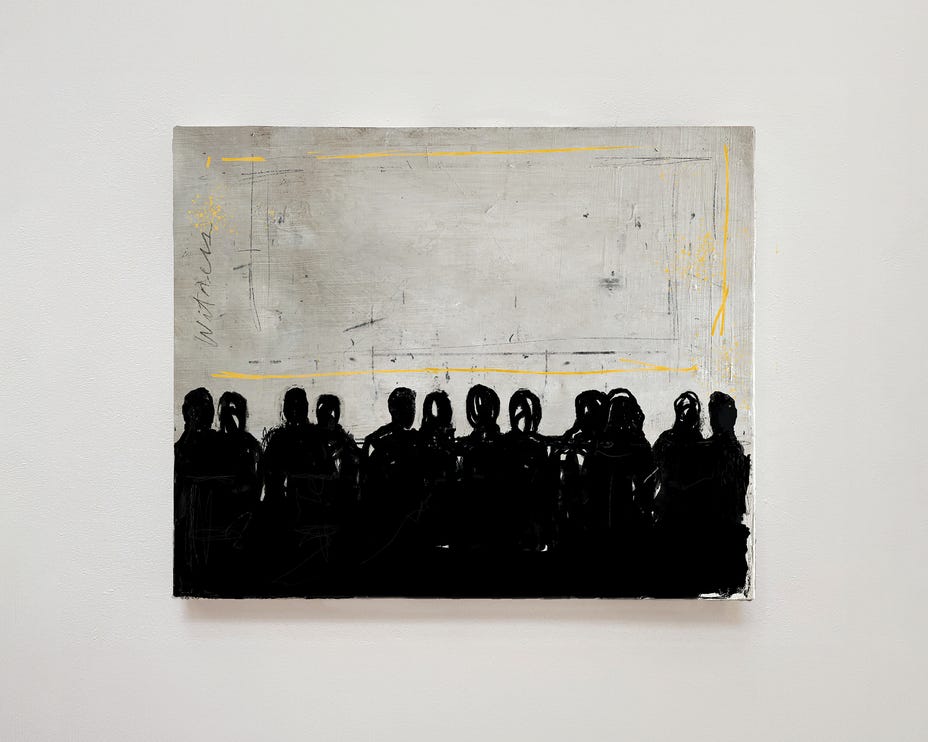
II. “Inside America’s Death Chambers” by Elizabeth Bruenig (The Atlantic). Anything Liz Bruenig writes is a must-read for me. Let me be frank, I am not impartial here. I’m against the death penalty and I think you should be too. But regardless of where you fall, I think you should read this incredible essay on her experiences witnessing executions first as a journalist, then considering justice and redemption when tragedy strikes directly at her family. Forgiveness and mercy are different things, and you’ll have a better understanding of both after reading this piece. I sincerely believe redemption is obtainable, in some context, for all of us.
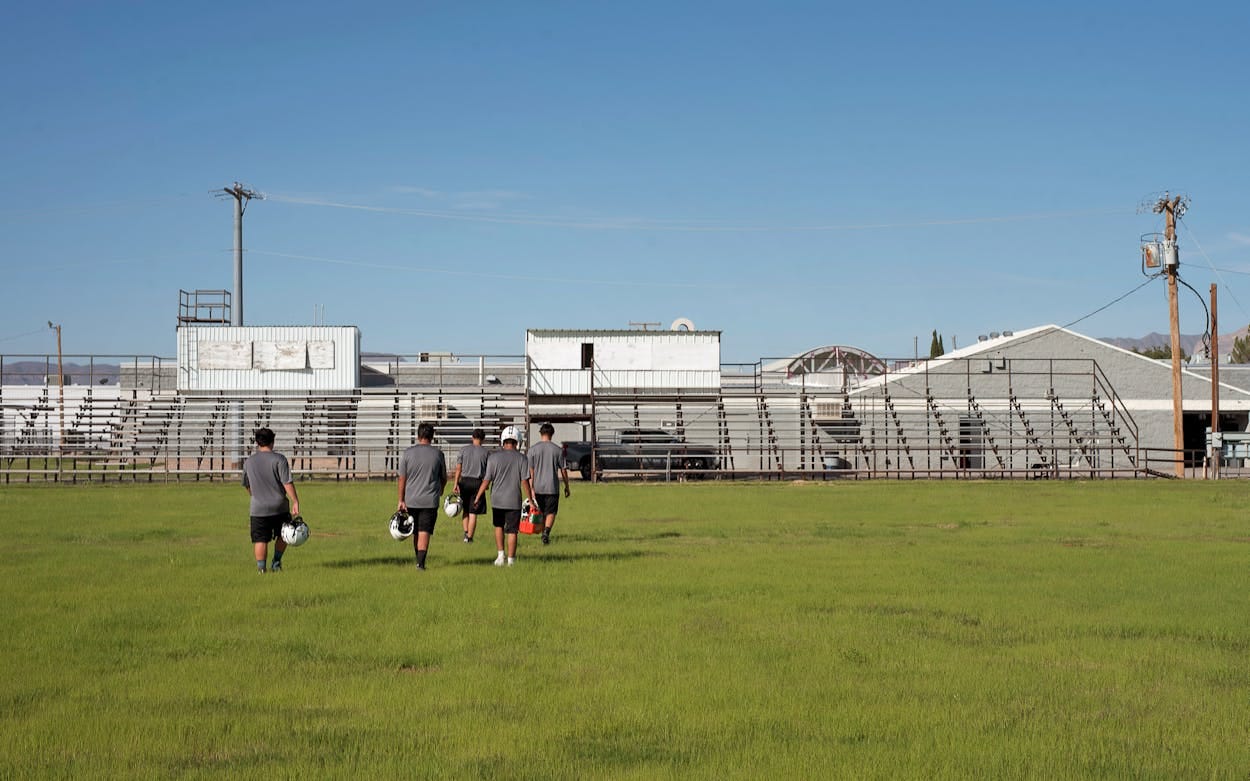
III. “A Tiny Texas High School Football Team Hasn’t Won a Game in Years. They’re Not Giving Up.” by Jordan Ramp (Texas Monthly). The NFL regular season kicked off last night. Much more importantly, my fantasy football team The Duluth Fighting Martinis are back with a vengeance and looking to improve on their prior season’s last-place finish. So, in honor of these momentous occasions, read about a much less glamorous but no less determined program. I think sports are good for kids, I think football is potentially very dangerous, and I love underdog stories. See what you make of this one.

IV. “How much would you spend to save your pet’s life?” by Samantha Edmonds (The Outline). My best friend is parent to an adorable and neurotic French Bulldog who was sent by God (I assume for some sin in a past life) to bankrupt her with medical bills. I’m an animal lover and have been a pet owner, so I get every ridiculous length we go to in order to care for our furry friends. There’s also a small voice in my head that whispers to me, asking if declining human birth rates aren’t driving some emotional transference that would be better put towards propagating our species. Regardless, I feel for everyone who has to weigh a medical decision—human or otherwise—against the questions of cost and viability.
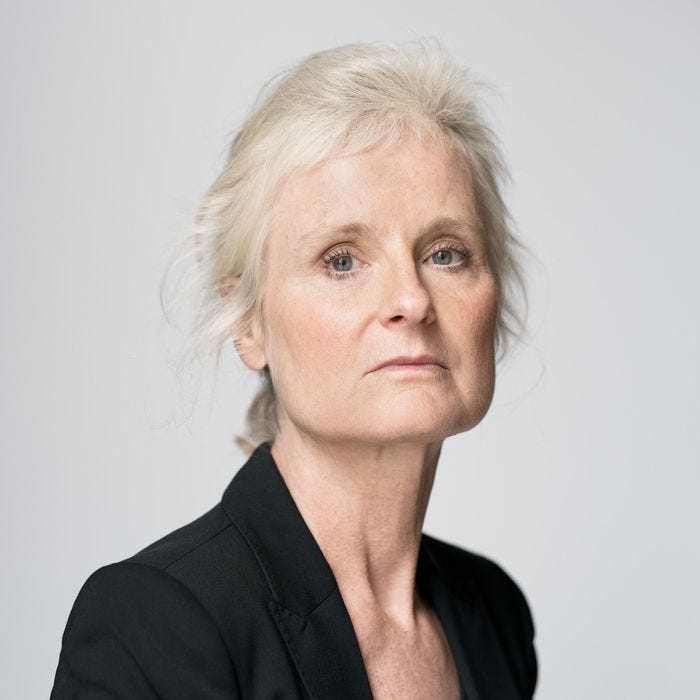
V. “My Colon” by Laurie Abraham (NYMag). I’m a good Connecticut boy, meaning while I’d happily butcher a chicken or crawl through the mud, I simply do not talk about anything related to the bathroom. This squeamishness has been rivaled in recent years, however, with my growing anxiety over the rise of colon cancer, especially in my demographics. It is the second most common cause of cancer deaths in the United States but has, as Abraham puts it, a “reputation problem.” This essay on the psychology around the illness that Abraham is fighting is tremendous, and I encourage you to read it.
Sit a minute and have a listen
Blind Willie Johnson was an American gospel blues musician. He was born to a sharecropper in 1897, blinded by his stepmother as a child, and when a fire destroyed his home in 1945 he slept in the charred ruins because he had nowhere else to go. Johnson was exposed to the elements—the wet and the cold—and it wasn’t long before he contracted the pneumonia that would kill him. Then, thirty years later, his song “Dark Was the Night, Cold Was the Ground” was chosen by NASA as one of 27 songs to send on that Golden Record with Voyager I. It’s a cruel world. It’s also sometimes miraculous.
“Dark Was the Night, Cold Was the Ground” by Blind Willie Johnson.
Fare thee well
Thanks for tuning in. Enjoy your weekend, and I’ll see you on Tuesday.